
Climate change is worsening water crisis for Canada’s largest First Nations population
Detroit PBS Great Lakes Now
As the Six Nations of the Grand River face water scarcity due to corporate extraction and limited land ownership, a new study shows how climate change will compound the issue.

Water is Life, Six Nations lead international approach to long-standing water insecurity
Great Lakes Echo
The Six Nations of the Grand River face ongoing water insecurity from pollution, climate change and corporate extraction. Many years of Indigenous water advocacy have led to the development of a new Haudenosaunee Environmental Research Institute as the next step to overcome these challenges.

New Lake Ontario initiative tackles climate hazards alongside Lakes Huron and Superior projects
Great Lakes Echo
Climate change is creating new challenges for Great Lakes coastal communities. To tackle these hazards, the Niagara Peninsula Conservation Authority launched the Lake Ontario Coastal Resilience Pilot Project last summer. Over the next four years, the project aims to engage communities in developing a coastal resilience plan.

Cultivating a culture of climate adaptive capacity
Knight Center for Environmental Journalism
Experts are looking beyond climate resiliency to build adaptive capacity, a process for navigating changes to cultural lifeways that promotes living well – not just bouncing back.

‘No Desecration for Recreation’: Indigenous nations speak out against corporate pollution
Knight Center for Environmental Journalism
At the Arizona Snowbowl Ski Resort, treated wastewater is used to create artificial snow that blankets the San Francisco Peaks – a sacred mountain to over a dozen Indigenous tribes. These tribes are banding together to protect their ancestral lands.

The Greater Lansing Food Bank: The community impact of food assistance for Michigan’s students
Spartan Newsroom
Inadequate access to nutritious food is an obstacle for children to achieve academic success. The Weekend Survival Kits Backpack program aims to alleviate that strain in Michigan.
Beyond Accessibility: The constant effort for Michigan to improve school meal quality
Spartan Newsroom
While free school meals in Michigan currently meet nutrition requirements, experts look internationally to identify possible new improvements.

Nourishing the Neighborhood: How one center is making healthy eating affordable
Spartan Newsroom
The Allen Neighborhood Center is working to revitalize the Lansing Eastside neighborhood’s historical lack of access to diverse, nutritious foods by connecting local vendors to the community.

Federal environmental rollbacks are a double-edged sword for MSU environmentalists
Spartan Newsroom
In the face of a rapidly declining planet, some environmental students at Michigan State University feel more united now than ever.




Rewriting the Narrative: Tiffany Williams Approaches Environmental Justice Through a Sociological Lens
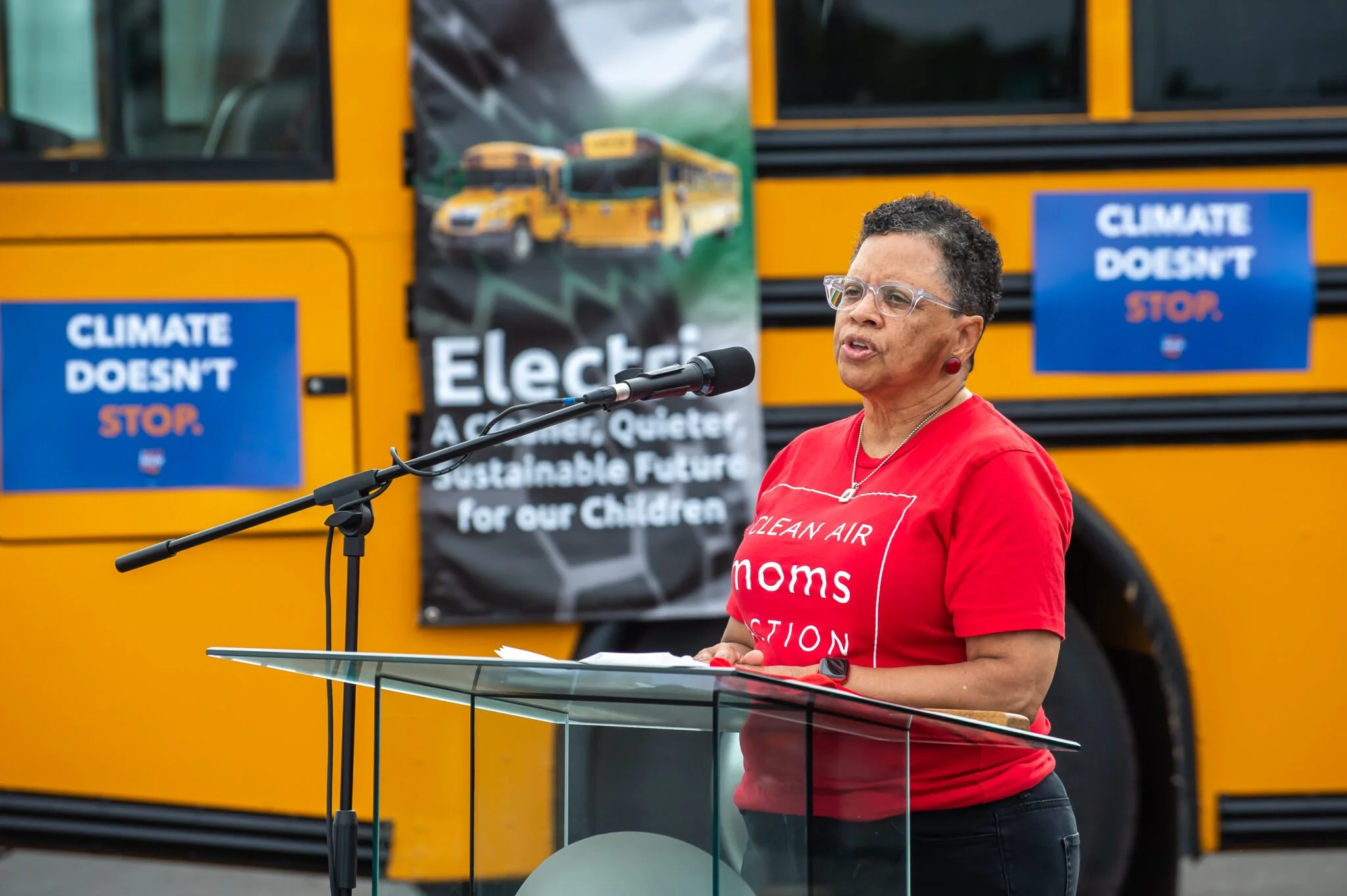
The rapidly declining state of the environment and increasing social inequalities of today have opened the doors for a more holistic understanding of how these issues intertwine.
Michigan Law to Recycle the Recycling System
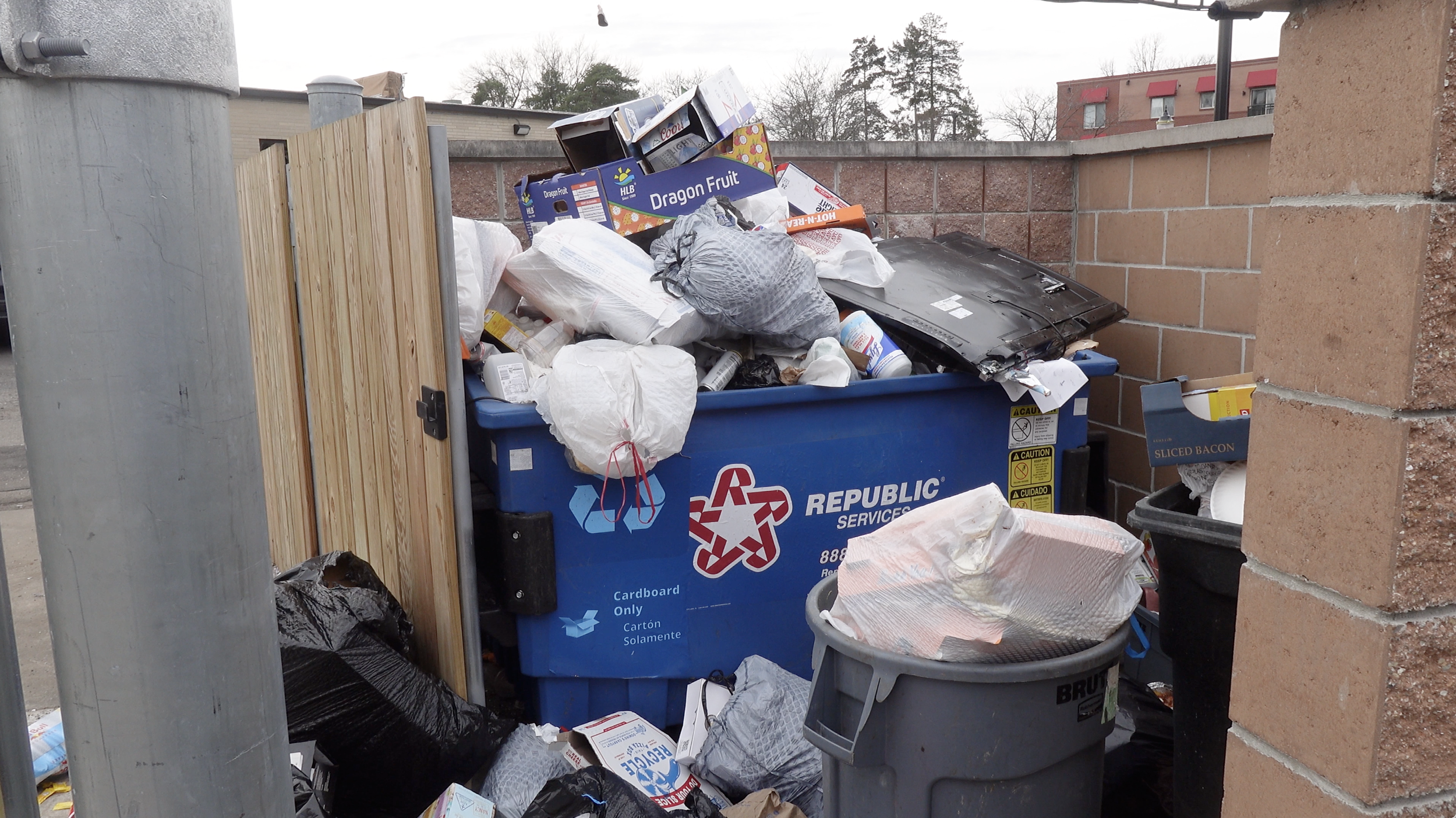
A new Michigan law aims to increase the state’s recycling rate from 21% in 2023 to 45% after 2029.

Climate and Class on Campus
Low-income housing students stay home from class and work to clean sewer water coming from their basement drains. This early flooding event in January is becoming part of a larger climate trend.
Fracking Wars: The Role of Activism
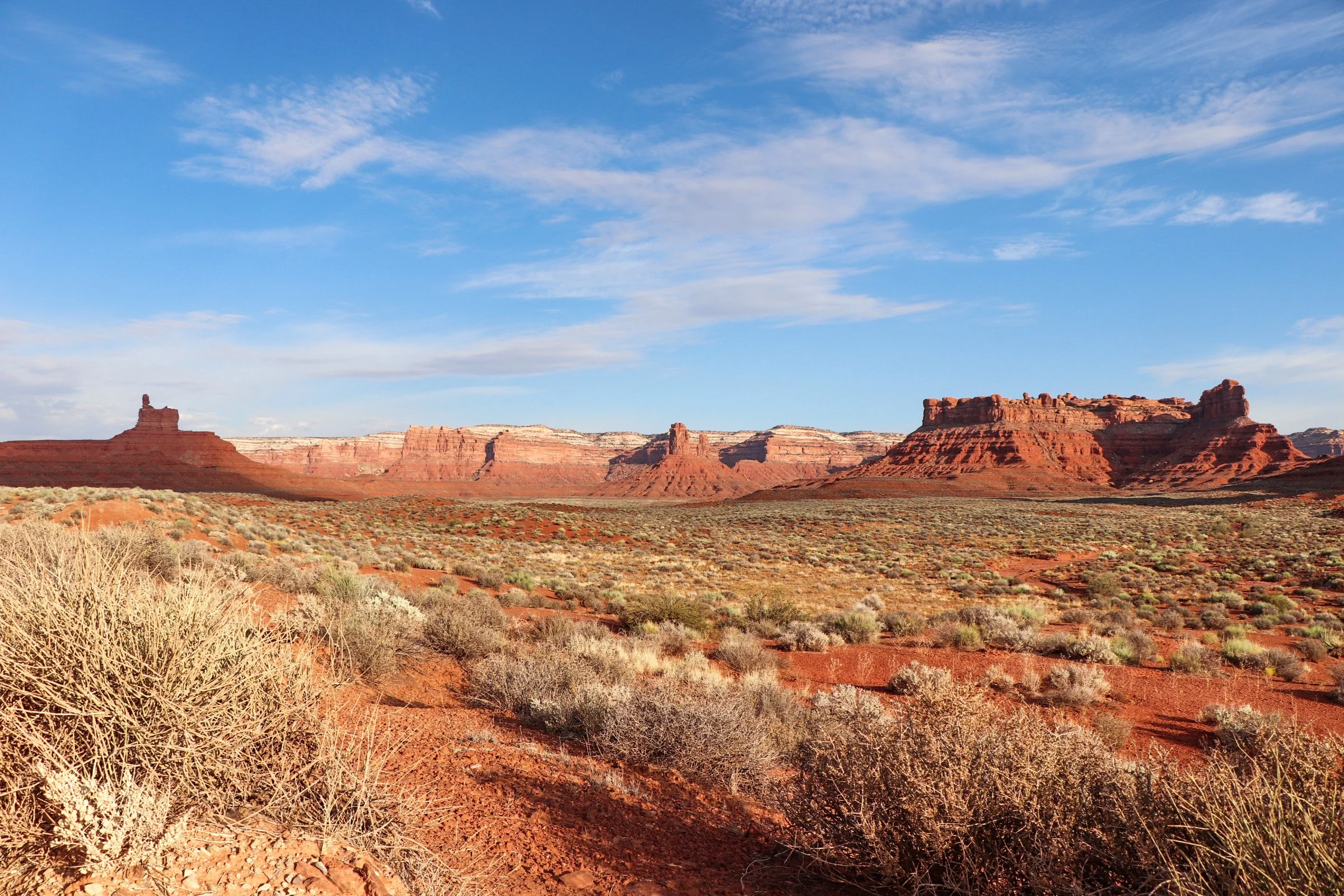
A 2011 report by the House Committee on Energy and Commerce revealed that “leading companies were using fracking fluids that contained 750 compounds, of which more than 650 were known human carcinogens or air pollutants” (Layzer 468).

Climate Change: Africa
Compared to the damage to food and water supplies, the health of its people, and the wellbeing of the culture, Africa is at a serious disjuncture with its role in climate change and the impacts it suffers.
Economic Growth and the Environment
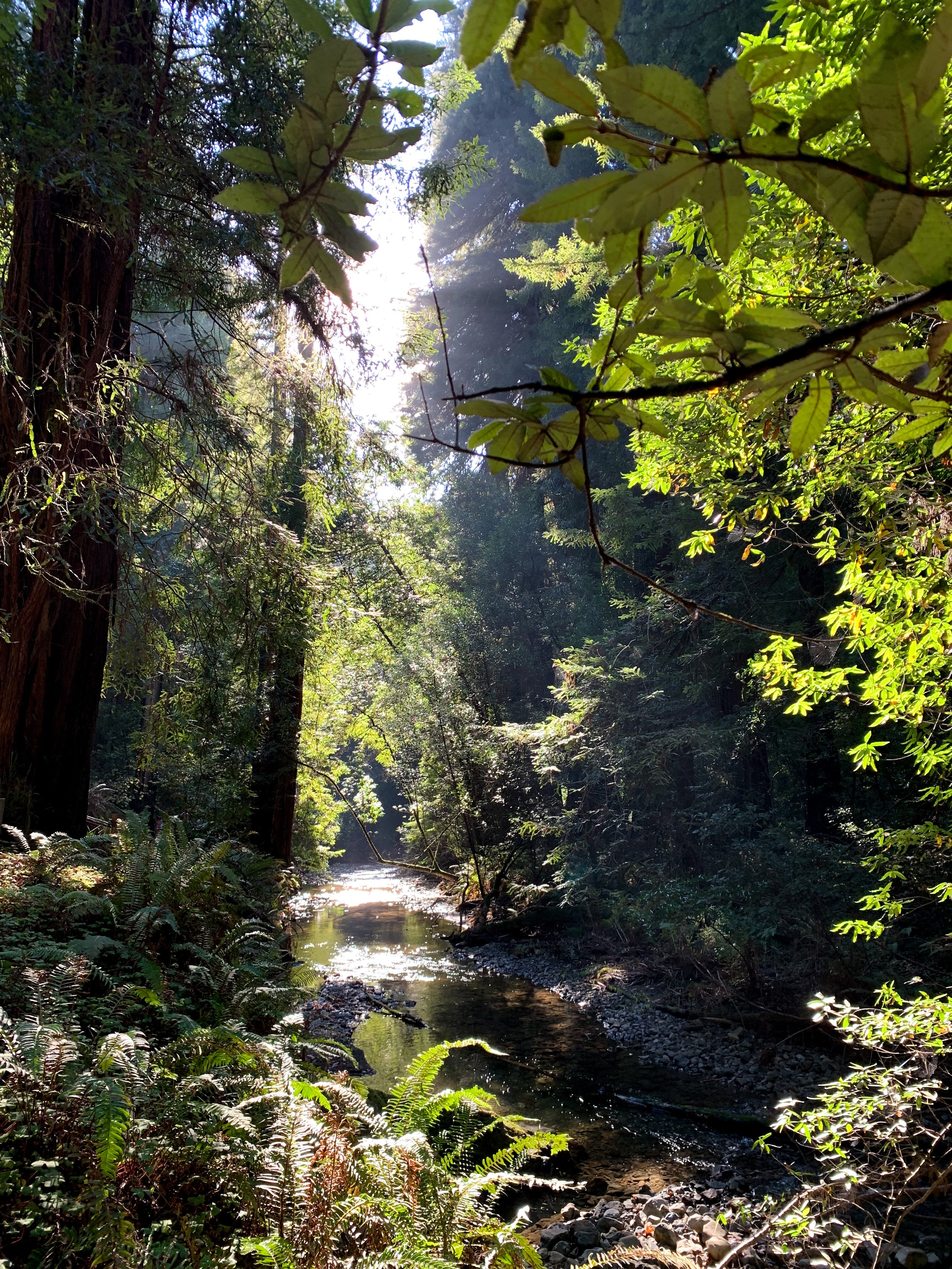
“The richest fifth consumes 58 percent of energy generated globally; the poorest fifth less than 4 percent” (Leonard 178).

Land Ethic Analysis
Leopold’s “Land Ethic” introduces the idea of nature’s intrinsic value over its economic usefulness.