
Michigan Law to Recycle the Recycling System
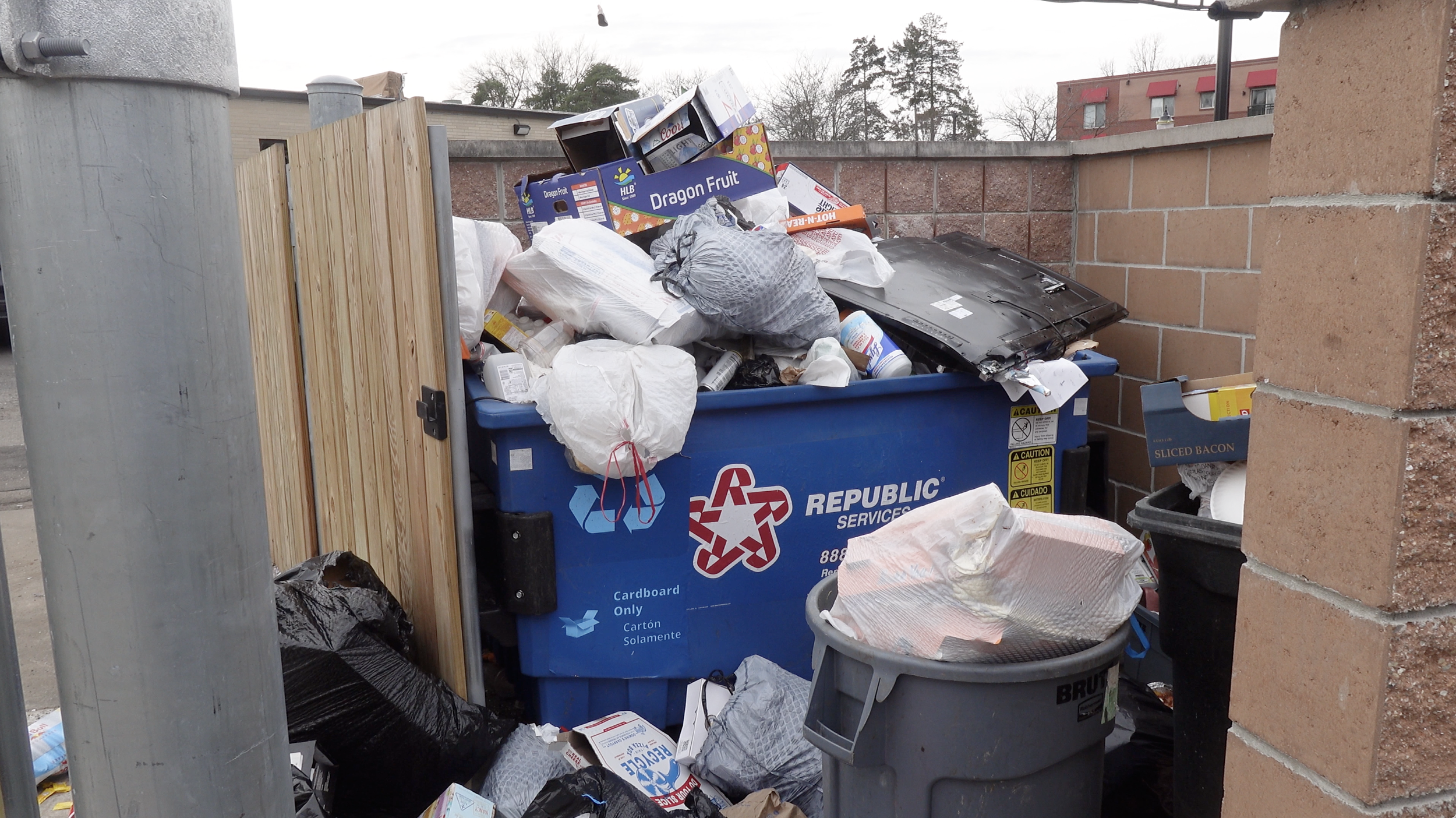
A new Michigan law aims to increase the state’s recycling rate from 21% in 2023 to 45% after 2029. The national recycling rate sits at 32%, according to the Department of Environment, Great Lakes, and Energy (EGLE).
“The new recycling goal that we have is really to push Michigan to be competitive within the rest of the nation and also within the Midwest,” said EGLE Recycling Specialist Devan Dodge.
The data includes the combined commercial and residential recycling rate. However, only the people who report to EGLE are accounted for.
While students make up the majority of East Lansing’s population, the city has varying levels of access to recycling. The university’s dorms offer recycling, but off-campus students are left to figure it out on their own.
“A lot of us off-campus students would benefit from just knowing more about recycling,” MSU sophomore Oscar Golden said. He is a member of Alpha Sigma Phi, a fraternity with 52 tenants. “Some people follow the recycling guidelines, some people don't as much.”
Golden said that members of the house could follow sorting protocols better with more clear communication from the city. Even then, the existing system is far from perfect.
“The process is very slow and they're not very particular when they come,” Golden said. “It's very rare that our entire dumpster’s cleared.” This causes people to throw their trash in the recycling.
The MSU Surplus Store and Recycling Center offer a drop-off option, but it is not optimal even for students who want to make the effort to recycle.
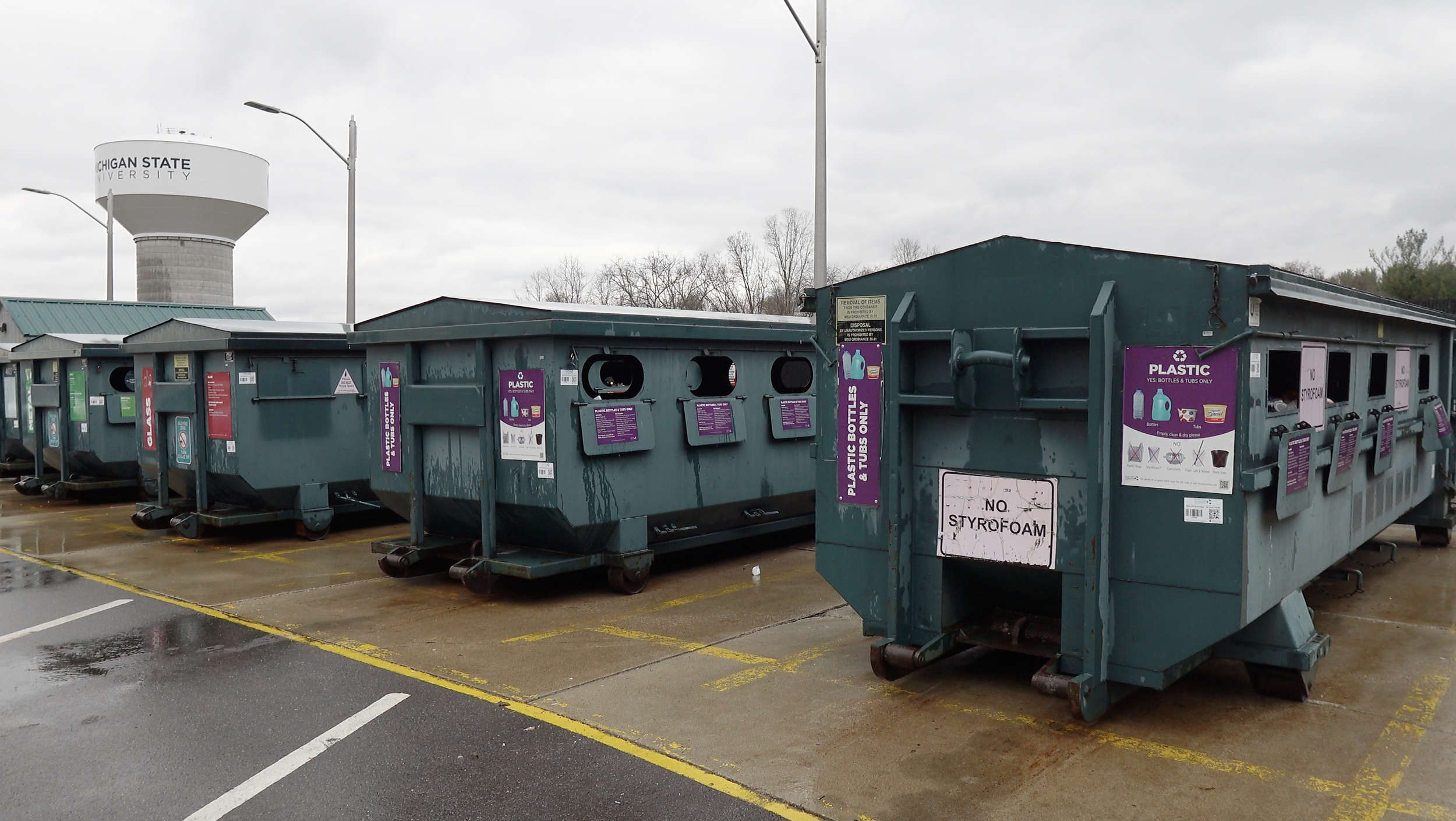
Golden said he does not think anyone in his house is aware of the recycling center on Farm Lane.
“I think it's a lot to ask,” Golden said. “A lot of kids here don't have cars to bring their recycling to a different location, especially when we should have that included in our rent.”
Another off-campus MSU student, junior Claire Murphy, did not know about the center either. Her house’s recycling overflowed on multiple occasions, preventing more materials from being recycled.
“Honestly I don’t think we would go,” Murphy said.
Golden sees an opportunity for East Lansing to increase its recycling rate. He has noticed that the city’s homeless population benefits from collecting cans from his house.
“It’s kind of a great system for us because they help clean up our lot and they get to make money,” Golden said. Having greater incentives for the homeless to participate in recycling is an area that the city could improve on, Golden said.
EGLE is working to increase accessibility and the quality of recyclable materials across the state. They are implementing grant programs for infrastructure, market development, and education to achieve their goal of a higher recycling rate. These programs mainly focus on residential recycling.
The recycling of finite resources for a more sustainable future is not just in the interest of government.
“While it may not be directly affecting us right now, or at least not in our part of the world, it affects a lot of people,” Golden said. “It's being pushed in classes and being pushed on social media, but really, it should just become a norm.”
